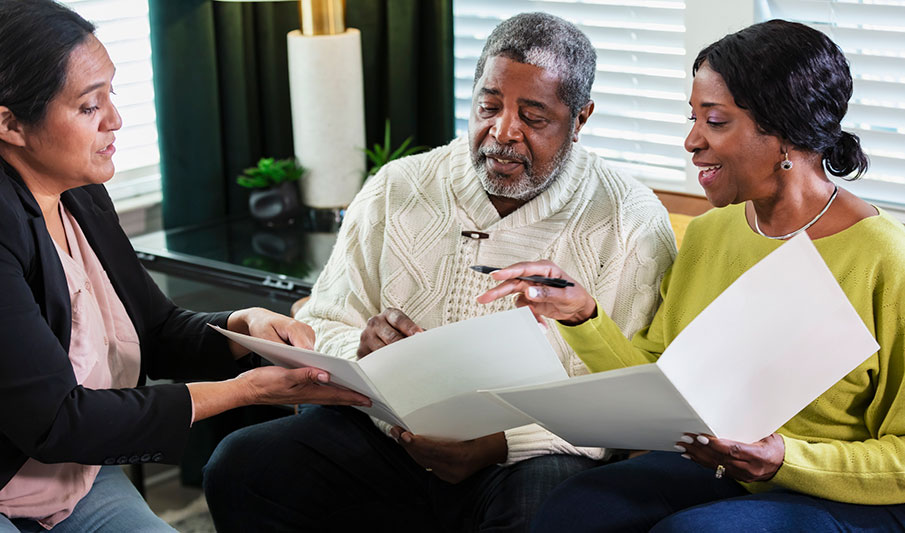
What Should a Parkinson’s Care Plan Include? A Guide to Planning for the Years Ahead
A Parkinson’s diagnosis often raises more questions than answers. What will the next few years look like? How quickly will symptoms change? What kind of support will be needed along the way?
One of the most helpful steps early on is creating a long-term Parkinson’s care plan that can adapt as the condition progresses. Parkinson’s affects movement, coordination, speech, and sometimes cognition, but its course varies widely from person to person. Planning ahead allows everyone involved to adjust gradually rather than scrambling when needs change.
The right care plan takes into consideration how daily life may shift over time and identifies ways to maintain safety, comfort, and independence for as long as possible.
So, what should a Parkinson’s care plan include?
Start With the Early Stages
In the beginning, symptoms may be mild. Tremors, stiffness, or slower movement may appear, but many daily routines remain manageable.
This stage is an ideal time to begin discussing future preferences. Topics may include living arrangements, transportation, financial planning, and long-term care options. Having these conversations early allows the person with Parkinson’s to actively participate in decisions about their future.
It is also helpful to begin building a support network that may include healthcare providers, therapists, community resources, and professional caregivers.
Expect the Plan to Change
Parkinson’s progresses gradually, and care needs often evolve over time. A plan created today should be flexible enough to grow along with those changes.
As symptoms develop, support may expand to include:
- Assistance with mobility and fall prevention
- Medication reminders and management
- Help with daily tasks such as dressing or meal preparation
- Transportation to medical appointments or therapy sessions
Adjusting support in stages can help maintain independence while reducing stress for everyone involved.
Address Safety at Home
Creating a safer home environment can make a tremendous difference as Parkinson’s affects balance and coordination.
Simple changes may include improving lighting, removing tripping hazards, installing grab bars, or rearranging furniture to allow easier movement through the home. An aging care specialist can also recommend modifications that support safer daily routines.
Planning these adjustments before they become urgent allows changes to happen seamlessly rather than reactively.
Plan for Cognitive and Emotional Changes
While Parkinson’s is primarily known for its physical symptoms, some individuals experience changes in mood, memory, or thinking over time.
Regular medical evaluations can help identify these changes early. Counseling, support groups, and structured activities may also play an important role in maintaining emotional well-being. And we can’t emphasize enough the value of companionship, from family and friends but also from a professional caregiver. It’s so important to have a companion who will listen, engage in conversations and fun activities, and simply be there so the person knows they’re not alone.
Recognizing that Parkinson’s affects both body and mind helps create a more comprehensive care plan.
Building a Plan That Supports Independence
A long-term care plan for Parkinson’s should grow alongside changing needs while preserving dignity and quality of life. With expert planning and the right support, many people continue to live meaningful, engaged lives at home for years after diagnosis.
CareWorks Health Services provides specialized in-home care services for individuals living with Parkinson’s in Mission Viejo, Huntington Beach, Laguna Hills and throughout Orange County, CA. Our trained and experienced caregivers assist with mobility support, daily routines, and personalized care that adapts as needs evolve.
Call us at (949) 859-4700 to learn how we can help create a flexible care plan that supports safety, independence, and peace of mind for someone you love.